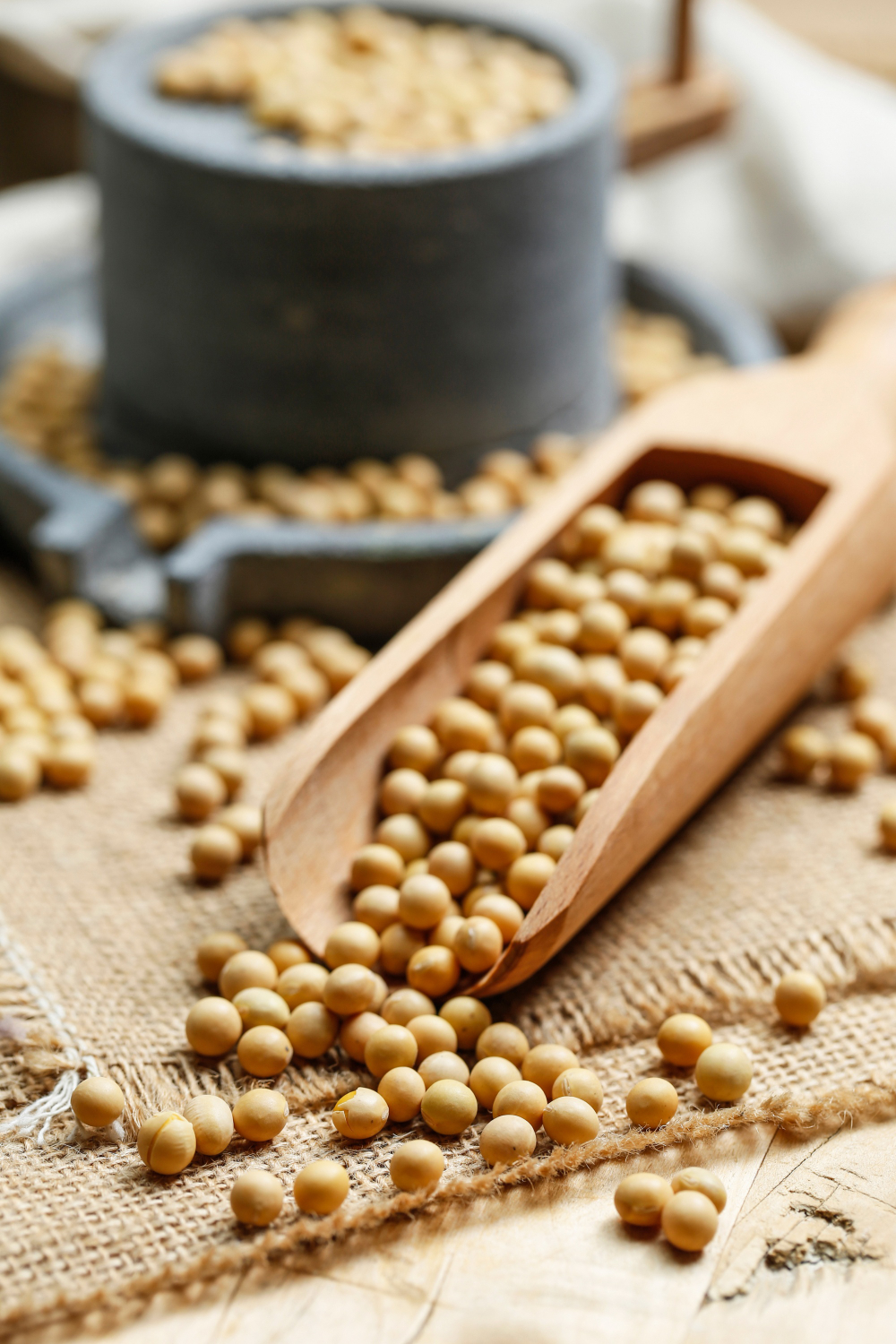
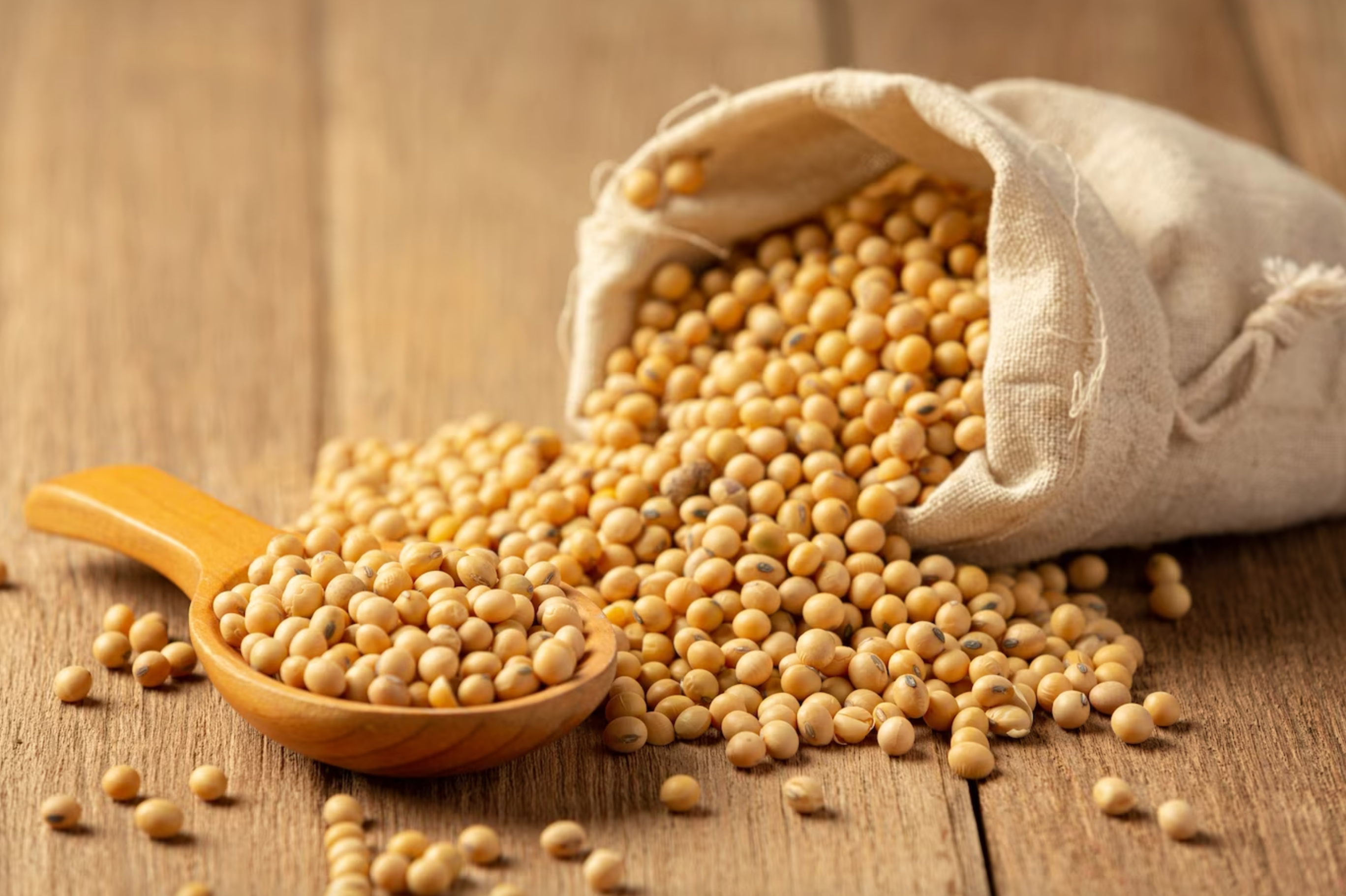
Scientific Name: Glycine max
Origin: East Asia
Botanical Characteristics: Annual dicotyledonous plant. It is known for its ability to fix atmospheric nitrogen through a symbiotic relationship with nitrogen-fixing bacteria called rhizobia.

Welcome to our Soybean page, where we explore the fascinating world of this versatile legume. Soybean (Glycine max) is a highly valued crop known for its rich nutritional profile and various applications. Join us as we delve into the characteristics, uses, and benefits of soybean.
Soybean is an annual legume that belongs to the Fabaceae family. It is native to East Asia and has been cultivated for thousands of years. Soybean plants typically reach heights of 0.5 to 1.5 meters and feature trifoliate leaves and clusters of small, bean-like seeds. The seeds themselves are the primary economic product of the soybean plant.
Soybean is renowned for its impressive nutritional composition, making it a valuable addition to a healthy diet. It is an excellent source of plant-based protein, containing all the essential amino acids necessary for human nutrition. Soybean is also rich in dietary fiber, vitamins (such as folate and vitamin K), minerals (including iron, calcium, and magnesium), and phytonutrients. These nutrients contribute to its role in promoting heart health, supporting bone strength, and providing antioxidant benefits.
Soybean is incredibly versatile and finds application in various industries. In the food industry, soybean is processed into a wide range of products, including soy milk, tofu, tempeh, soy sauce, and soy-based meat alternatives. These products provide a nutritious and plant-based alternative for individuals following vegetarian or vegan diets or those seeking healthier food choices.
Beyond its culinary uses, soybean plays a crucial role in animal feed production. Its high protein content and amino acid profile make it a valuable ingredient in livestock, poultry, and aquaculture feeds. Soybean meal, a byproduct of oil extraction, is a common protein source in animal diets, contributing to their growth and overall health.
Soybean also serves as a raw material for industrial applications. Its oil is widely used in food processing, as well as in the production of biodiesel, lubricants, and other industrial products. Additionally, soybean oil can be utilized for its functional properties in the formulation of cosmetics and personal care products.