Scientific Name: Oryza sativa
Origin: Asia
Botanical Characteristics: A cereal grain that belongs to the grass family and is widely cultivated for its edible seeds

Welcome to our Rice page, where we dive into the world of this staple crop that feeds millions of people worldwide. Rice (Oryza sativa) is a versatile grain that plays a crucial role in global food security and cultural traditions. Join us as we explore the characteristics, cultivation methods, and culinary significance of rice.
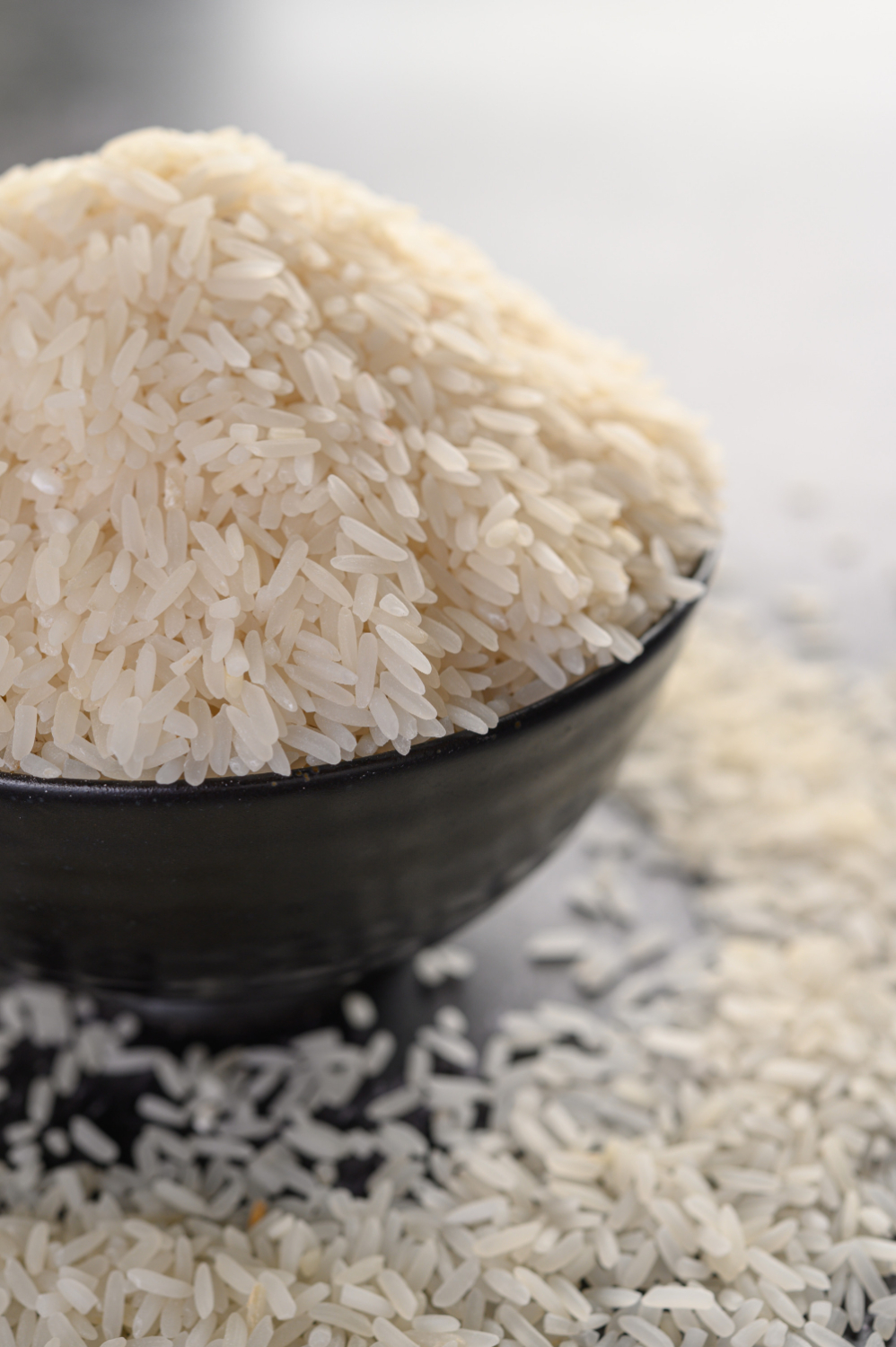
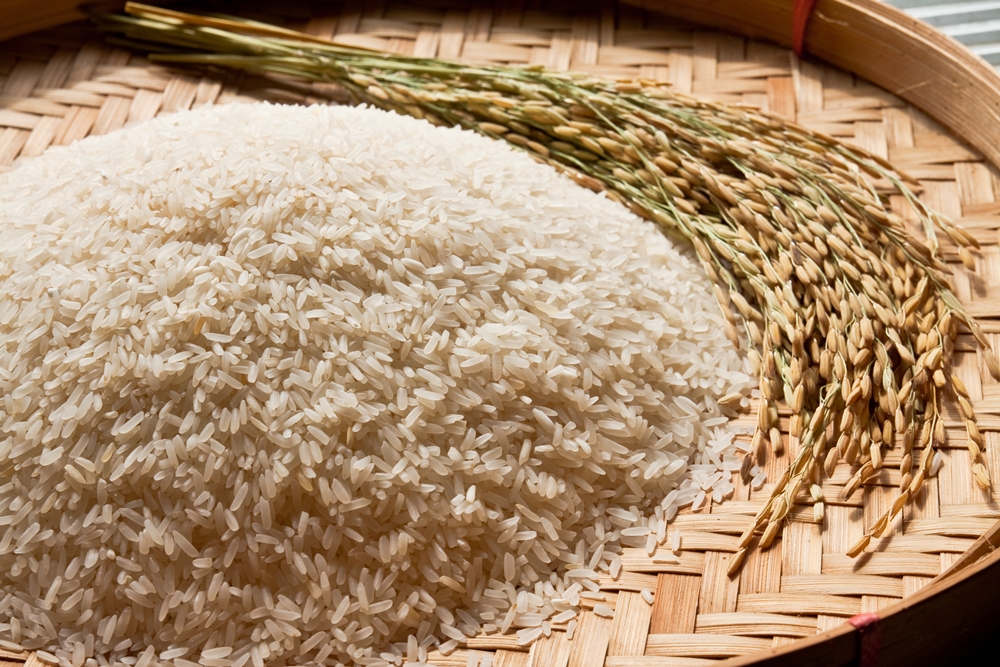
Rice is a cereal grain that belongs to the grass family and is widely cultivated for its edible seeds. It is one of the most important staple crops globally, providing sustenance for a significant portion of the world’s population. Rice plants typically grow in flooded fields or paddy fields and can vary in height depending on the variety and growing conditions.
Rice is a dietary staple in many countries, serving as a primary source of carbohydrates and essential nutrients. It serves as the foundation for countless traditional dishes, from steamed rice to savory stir-fries and delectable rice puddings. The diverse culinary applications of rice make it a versatile and beloved ingredient worldwide.
Rice holds immense cultural and symbolic importance in many societies. It is deeply embedded in traditions, rituals, and celebrations across various cultures. Rice cultivation and harvesting are often associated with cultural festivals and communal gatherings, representing fertility, prosperity, and abundance. The significance of rice goes beyond its nutritional value and plays a vital role in preserving cultural heritage.