Scientific Name: Anacardium occidentale
Origin: Brazil
Botanical Characteristics: A tropical tree that belongs to the Anacardiaceae family

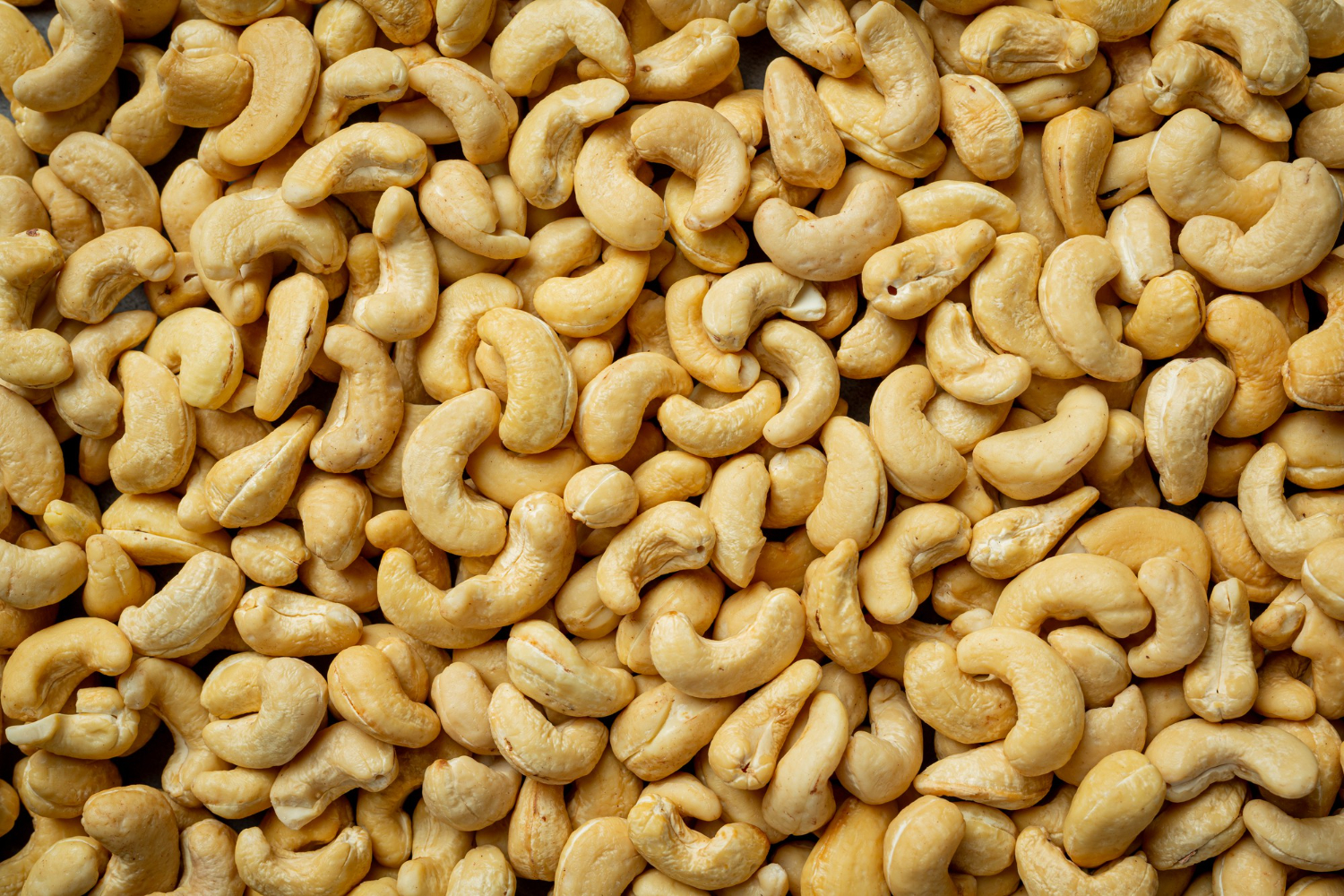
Welcome to our Cashew page, where we explore the fascinating world of this versatile nut. Cashew (Anacardium occidentale) is not only a delicious snack but also an important cash crop that has gained popularity worldwide. Join us as we delve into the characteristics, cultivation methods, and diverse applications of cashews.
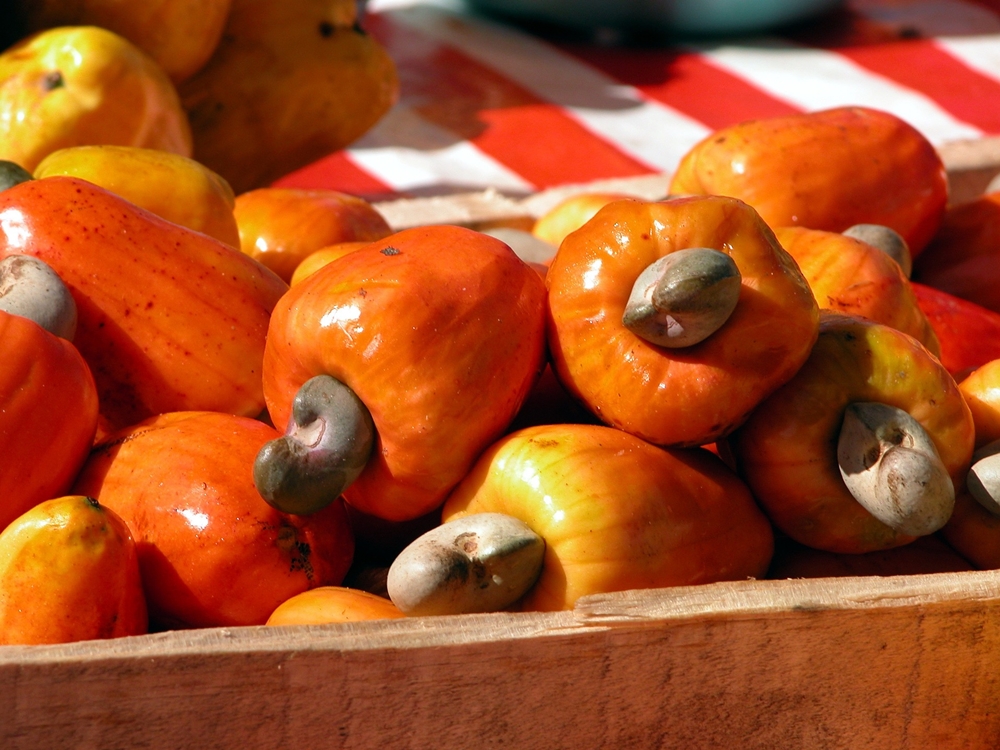
Cashew is a tropical tree that belongs to the Anacardiaceae family. It is native to Northeast Brazil but is now cultivated in various parts of the world with suitable climatic conditions. The cashew tree produces both the cashew nut and the cashew apple, which is a juicy and fleshy fruit that surrounds the nut.
Cashews are not only delightful to eat but also offer several nutritional benefits. They are a good source of healthy fats, protein, dietary fiber, and essential minerals such as magnesium, phosphorus, and zinc. Cashews also contain antioxidants and various vitamins, making them a valuable addition to a balanced diet.
Cashews have become a popular ingredient in various cuisines around the world. They can be enjoyed as a standalone snack, added to salads, stir-fries, or used in both savory and sweet dishes. Cashew butter, cashew milk, and cashew-based cheeses are also gaining popularity as plant-based alternatives.