Scientific Name: Sesamum indicum
Origin: Africa
Botanical Characteristics: Annual flowering plant that belongs to the Pedaliaceae family

Welcome to our Sesame page, where we explore the wonders of this ancient and versatile crop. Sesame (Sesamum indicum) is an oilseed crop known for its small, nutritious seeds and its various culinary and medicinal uses. Join us as we delve into the characteristics, benefits, and cultural significance of sesame.
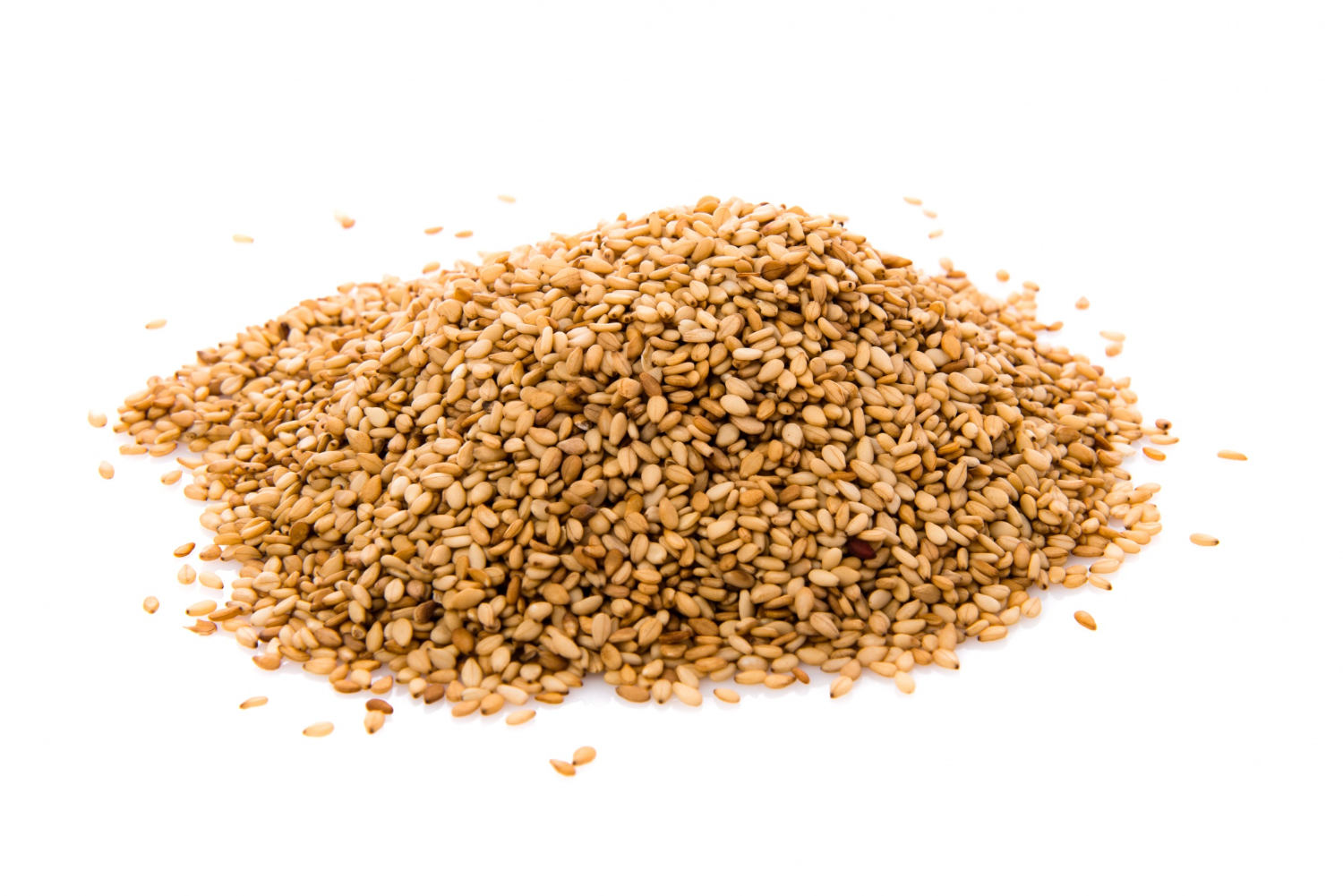
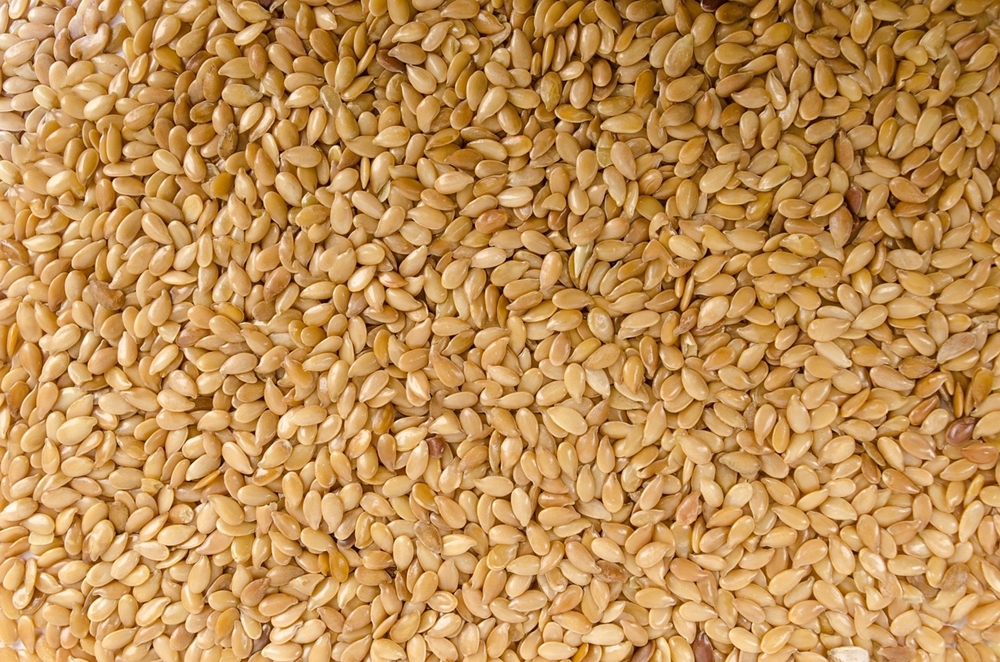
Sesame is an annual flowering plant that belongs to the Pedaliaceae family. It is believed to have originated in Africa and has been cultivated for over 4,000 years. Sesame plants typically grow to a height of 1 to 2 meters and feature oblong leaves and bell-shaped flowers. The seeds, enclosed in small pods, are the main economic product of the sesame plant.
Sesame seeds are highly nutritious and packed with essential nutrients. They are an excellent source of healthy fats, including omega-6 fatty acids, and are rich in protein, fiber, and various minerals such as calcium, magnesium, and iron. These seeds are also a good source of antioxidants and contain beneficial plant compounds that contribute to their health-promoting properties.
Sesame has a long history of culinary and medicinal uses across different cultures. The seeds are commonly used in cooking and baking, adding a unique nutty flavor and crunch to various dishes. Sesame oil, extracted from the seeds, is highly valued for its distinct taste and is widely used in cooking, salad dressings, and condiments.
In addition to its culinary applications, sesame is also utilized in traditional medicine. It is believed to have various health benefits, including promoting heart health, supporting digestive health, and providing anti-inflammatory properties. Sesame seeds and sesame oil are used in traditional remedies and Ayurvedic practices in many regions.