Scientific Name: Sorghum bicolor
Origin: Africa
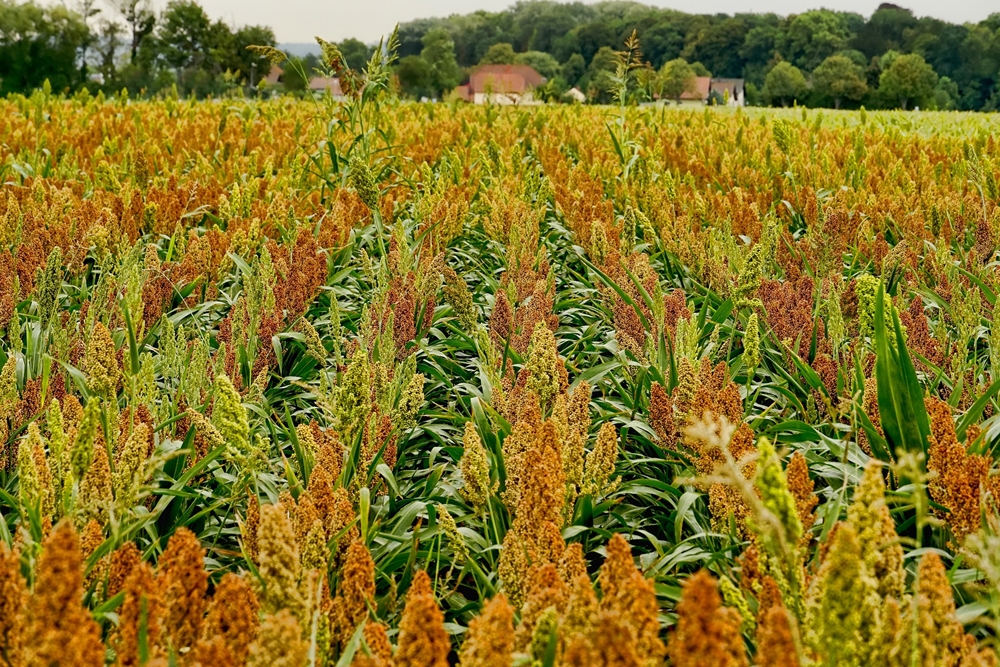
Botanical Characteristics: Annual grass that typically reaches heights of 2 to 4 meters.

Welcome to our Sorghum page, where we delve into the world of this versatile and nutritious crop. Sorghum, a cereal grain, is widely cultivated for its adaptability, resilience, and various applications. Join us as we explore the characteristics, uses, and benefits of Sorghum.
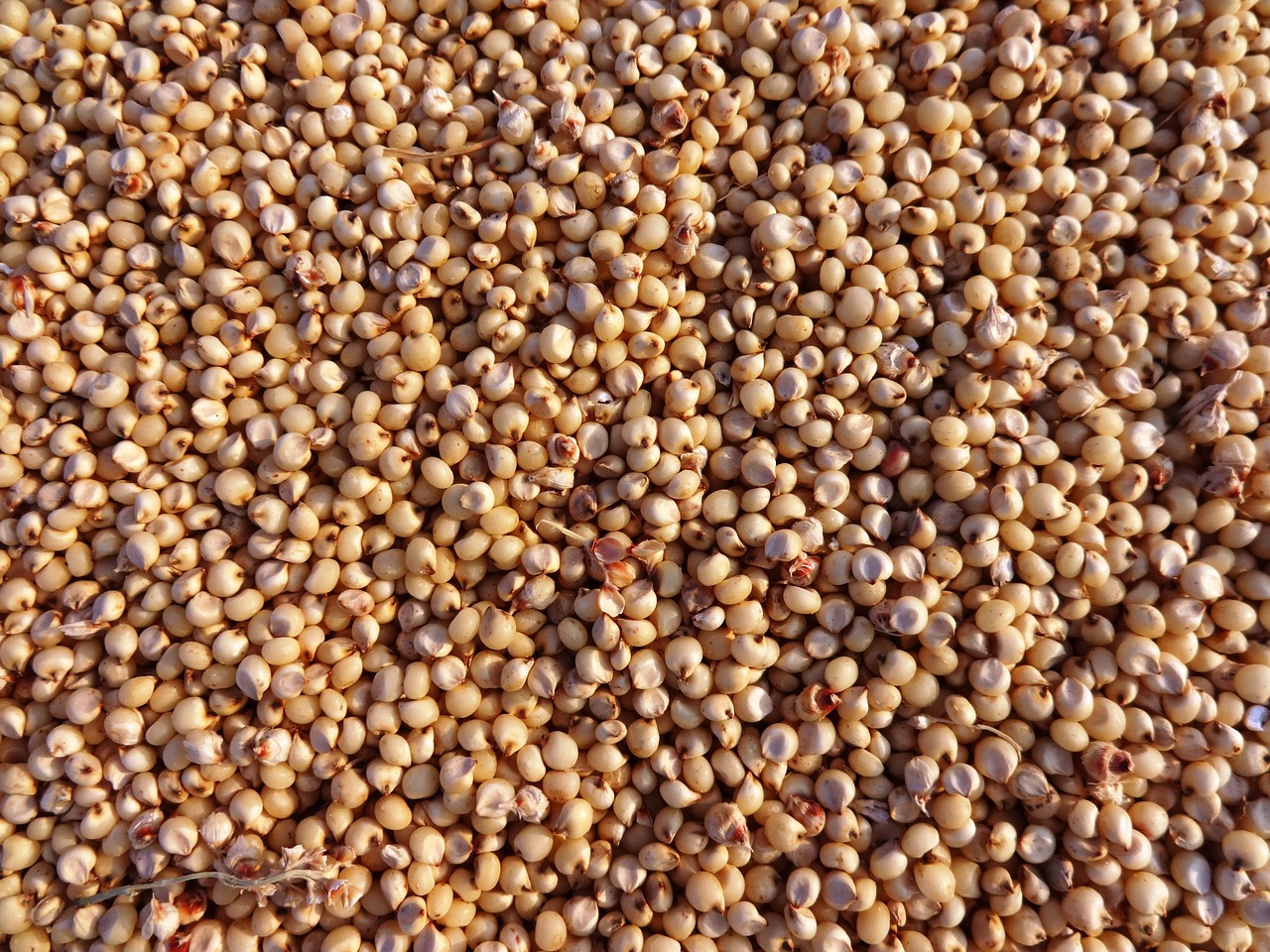
Sorghum is a hardy and drought-tolerant crop that belongs to the grass family. It is characterized by tall stalks, long leaves, and clusters of grain-like seeds. Sorghum comes in different varieties, each with its own unique color, size, and taste. This versatile crop is highly valued for its ability to grow in diverse climatic conditions and soil types.
Sorghum offers a range of nutritional benefits, making it an excellent addition to a balanced diet. It is naturally gluten-free and rich in dietary fiber, which aids in digestion and promotes a healthy digestive system. Sorghum is also a good source of essential minerals, including iron, magnesium, phosphorus, and zinc. Additionally, it contains antioxidants and phytochemicals that contribute to overall well-being.
Sorghum has a wide range of applications across different industries. In the food industry, it is used for human consumption in various forms such as whole grain, flour, syrup, and popped sorghum. Sorghum flour can be used to make bread, cakes, cookies, and other baked goods. Sorghum syrup is a natural sweetener that can be used in beverages, sauces, and desserts. Popped sorghum serves as a nutritious and gluten-free alternative to popcorn.
Beyond its use as a food ingredient, sorghum plays a vital role in animal feed production. Its high nutritional value and digestibility make it an ideal choice for livestock, poultry, and even fish feed. Additionally, sorghum stalks and biomass can be utilized for biofuel production, providing a sustainable energy source.